

How an Orthopedic Expert Witness Can Influence the Outcome of Medical Malpractice Cases

In medical malpractice cases, expert witnesses play a pivotal role in determining the outcome by providing specialized knowledge that helps the court understand complex medical issues. Orthopedic expert witnesses, with their specialized knowledge of musculoskeletal injuries, surgeries, and treatments, are particularly valuable in cases involving alleged negligence in orthopedic care. 

What Is an Orthopedic Expert Witness?

An orthopedic expert witness is a medical professional, typically an experienced orthopedic surgeon or physician, who provides specialized testimony or informed opinions in legal cases involving orthopedic medicine. These expert witnesses have extensive knowledge about the musculoskeletal system, which includes bones, muscles, joints, and tendons. 

Their expertise is crucial in cases where the medical facts regarding injuries, surgical procedures, treatments, and outcomes related to orthopedics need to be examined and understood by a court or jury. 

Defining Medical Standards and Practices

Orthopedic expert witnesses are essential in clarifying the accepted standards of medical care for conditions involving the bones, joints, muscles, and tendons. They explain complex medical procedures and practices in a way that can be understood by judges and juries, who may not have medical backgrounds. 

By delineating what constitutes appropriate care in specific situations, these experts can establish whether the care provided deviated from accepted medical standards. 

Assessing the Cause of Injuries

Determining the cause of an injury is crucial in medical malpractice litigation. Orthopedic experts analyze medical records, surgical reports, and patient histories to assess whether injuries were caused by accidents, pre-existing conditions, or possible medical errors. Their assessments help the court understand whether the harm was likely the result of negligence or an unavoidable outcome. 

Evaluating the Impact of Injuries

Understanding the long-term impact of orthopedic injuries is critical in assessing damages in a malpractice case. An orthopedic expert witness evaluates the extent of injury and the potential for recovery, providing insight into future medical needs, potential for rehabilitation, and any permanent disabilities. This evaluation influences the compensation for medical costs, lost earnings, and other damages. 

Providing Testimony on Treatment and Prognosis

Orthopedic experts provide insights into the appropriateness of the treatments administered and the prognosis. If a claim involves a treatment that led to complications or failed to meet the expected outcomes, these experts can testify whether the decisions made were within the scope of competent medical practice. They also offer opinions on whether alternative treatments could have prevented the outcome, which is pivotal in establishing liability. 

The Strategic Importance of Orthopedic Expert Witnesses

Orthopedic expert witnesses are indispensable in medical malpractice cases involving orthopedic care. Their expertise not only educates the court about medical standards and the complexities of care but also plays a strategic role in influencing the outcome of the case. 

Through detailed analysis and authoritative testimony, they help ensure that the verdict is well-informed by the nuances of orthopedic medicine, ultimately aiming to uphold the integrity of medical practice and patient care. 

If you’re seeking an orthopedic expert witness in Florida, contact us today. 

Why Orthopedic Expert Witnesses Are Crucial in Personal Injury Litigation

In personal injury litigation, where medical facts and interpretations impact the outcomes significantly, orthopedic expert witnesses are invaluable. These professionals provide clarity and authority, helping courts understand complex medical issues related to the musculoskeletal system.

What Orthopedic Expert Witnesses Do

Orthopedic expert witnesses are typically experienced orthopedic surgeons who apply their knowledge of the musculoskeletal system to legal cases. Their responsibilities include: 

  • Medical Record Review: They meticulously examine medical records to ascertain the extent of injury and the treatments undertaken. 
  • Independent Medical Evaluations (IME): They conduct assessments to evaluate the nature and extent of an injury independently from the treatment providers, offering an unbiased opinion on the injuries sustained. 
  • Testimony Preparation: They assist legal teams by preparing detailed medical opinions and clarifying complex medical concepts necessary for effective arguments in court. 
  • Expert Testimony: In court, they articulate their medical findings, providing clear explanations that support or dispute claims made during the litigation. 

How Orthopedic Expert Witnesses Work

Orthopedic expert witnesses work closely with legal teams to ensure that every aspect of the medical case is understood and properly presented. Their process typically involves: 

  • Engagement: They are retained by a legal team to provide expert opinions on a case involving orthopedic injuries. 
  • Investigation: They review case materials such as medical records, accident reports, and other relevant documents. 
  • Reporting: They compile their findings into comprehensive reports that are used by legal teams to build or defend cases. 
  • Deposition and Courtroom Testimony: They may be called upon to give verbal testimony in depositions or trial settings, where they explain medical terms and treatment impacts in a way that is accessible to judges and jurors. 

Why Orthopedic Expert Medical Witnesses Matter in Litigation

The testimony of an orthopedic expert witness can significantly sway a case, particularly in matters where injury specifics and future medical needs are disputed. They help establish: 

  • Causation: Linking the injury directly to the incident in question. 
  • Extent of Injury: Providing an authoritative opinion on the severity of the injuries and the expected recovery process. 
  • Future Medical Requirements: Estimating future medical treatments and costs associated with the injury. 
  • Impact on Quality of Life: Assessing how the injuries affect the claimant’s daily life and long-term health. 

Effect on Case Outcomes

The influence of an orthopedic expert witness can be profound, affecting settlement negotiations, jury verdicts, and ultimately, the compensation awarded. Their objective testimony ensures that the factual basis of the case is solid, helping to avoid unjust outcomes based on misunderstandings of medical issues. 

Have the Support You Need in Court

Orthopedic expert witnesses play a pivotal role in personal injury litigation by bridging the gap between medical science and legal standards. Their expert insights ensure that the factual and medical aspects of a case are clearly presented and accurately interpreted, which is crucial for achieving fair and just outcomes. Whether influencing jury perceptions or guiding settlement discussions, the expertise of these witnesses is indispensable in navigating the complexities of personal injury cases. 

If you’re seeking an orthopedic expert witness in Florida, contact us today.

Technology & Innovations in Orthopaedic Treatments

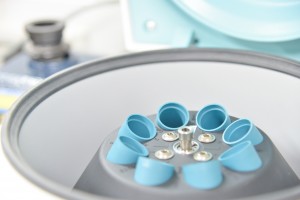
Picture of a centrifuge.Since 1949, Tampa Orthopaedic and Sports Medicine Group—a division of Florida Medical Clinic—has been providing patients from across the Tampa Bay region with progressive, patient-centered care. We understand that the field of orthopaedic medicine is constantly changing, and we keep ourselves updated on the latest technologies and techniques so that we can provide our patients with the best possible care. Below are two of the innovations that we use at our Tampa, Florida, clinic.

Platelet-Rich Plasma Injections

The orthopaedic medicine specialists at Tampa Orthopaedic and Sports Medicine Group can use platelet-rich plasma (PRP) injections to treat a wide range of conditions. But how do these injections work, exactly? Blood is made up of four different components: plasma, platelets, red blood cells, and white blood cells. Platelets (sometimes referred to as “thrombocytes”) help blood clot after an injury, thereby promoting healing. PRP injections contain concentrated platelets and are administered to help repair injuries and improve tissue function.

Studies show that PRP injections can be used to effectively treat orthopaedic conditions such as:

  • Ligament tears
  • Muscle strains
  • Osteoarthritis
  • Sprains
  • Tennis elbow

If we recommend that you undergo PRP injections, we’ll collect a sample of your blood, then process it in a centrifuge. As the sample spins, the platelets contained within will separate from the other blood components. Then, we’ll inject the concentrated platelets into the area where you’re injured. Because the platelets are sourced from your own blood, you won’t need to worry about allergies or cross-infection.

Stem Cell Therapy

Patients can also turn to Tampa Orthopaedic and Sports Medicine Group for stem cell therapy. Stem cells have revolutionized the orthopaedic medicine field because not only do they self-renew, but they can also develop into other types of cells, including the ones that make up bone, cartilage, and muscle. This enables them to regenerate tissue and accelerate the healing process.

Stem cells can be used to treat numerous conditions affecting the musculoskeletal system, including:

  • Bursitis
  • Fractures
  • Labral tears
  • Ligament tears
  • Meniscus tears
  • Osteoarthritis
  • Rotator cuff tears
  • Tendonitis

There has historically been a great deal of controversy surrounding stem cell therapy because some people believed that it was morally wrong to collect stem cells from embryos. But at Tampa Orthopaedic and Sports Medicine Group, we never use embryonic stem cells. Instead, we use mesenchymal stem cells (sometimes referred to as “autologous stem cells”), which are taken from the patient’s own body. We’ll collect a sample of your bone marrow, spin it in a centrifuge to separate the stem cells from the platelets and white blood cells, then inject the concentrated stem cells into the injured tissue. Using your own stem cells also reduces the risk of disease transmission, infection, and tissue rejection.

Learn More About Our Approach to Orthopaedic Medicine

If you’d like to know more about Tampa Orthopaedic and Sports Medicine Group and the state-of-the-art treatments we offer for patients in the Tampa Bay area, contact us today. We’ll gladly provide you with additional information, answer your questions, and arrange a time for you to visit our office, which you’ll find conveniently located at 602 South Howard Avenue in Tampa, FL.

Most Common Shoulder Injuries & How to Heal Them

Picture of an older woman touching her shoulder in pain.Are you living with shoulder pain and stiffness? If so, you’re not alone. Some researchers estimate that shoulder pain affects 18% to 26% of adults at any given time. This is likely due to the shoulder’s wide range of motion—because the shoulder joint is so flexible, it’s relatively unstable and thus more prone to injury. Below, we discuss some of the most common shoulder injuries and explain what treatment typically involves.

Bursitis

Like other joints within the body, the shoulder contains bursae, which are small, fluid-filled sacs that help cushion the surrounding bones, muscles, and tendons. When the bursae become inflamed—often due to repetitive motions or excess pressure—it’s known as bursitis, and it can lead to pain, stiffness, redness, and swelling. This shoulder injury often resolves on its own, but you can encourage healing by resting the shoulder and applying an ice pack or a warm compress. In some cases, physical therapy, corticosteroid injections, or surgery may be necessary.

Dislocated Shoulders

When extreme twisting or a strong impact causes the humerus (upper arm bone) to pop out of the shoulder socket, it can produce a visible deformity, intense pain, tingling, numbness, weakness, swelling, and bruising and make it impossible to move the joint. Shoulder dislocation treatment typically requires maneuvering the bones back into place (closed reduction), so it’s important to promptly consult with an experienced medical provider (in the meantime, you should immobilize the shoulder using a sling or splint and apply an ice pack). In some cases, surgery is necessary to treat this shoulder injury. Notably, once a shoulder dislocates, it’s more likely to pop out of place again in the future, leading to chronic shoulder instability.

Frozen Shoulder

When the shoulder is kept still for an extended period of time—for example, following surgery—it can cause the surrounding tissue to thicken and tighten, making it difficult to move the joint. Frozen shoulder can usually be treated conservatively by taking pain medication, attending physical therapy, or undergoing corticosteroid injections. However, surgery is sometimes needed to loosen the surrounding tissue.

Rotator Cuff Tears

The shoulder joint is surrounded by the rotator cuff, a group of muscles and tendons that help keep the humerus within the shoulder socket. Rotator cuff tears often result from age-related degeneration, but in some cases, these shoulder injuries can be caused by sudden trauma (e.g., falling on an outstretched arm). When the rotator cuff partially or completely tears, it can make it difficult to raise the affected arm, and it can also produce pain, weakness, and a clicking, crackling, or popping sensation. While conservative treatments like pain medication, arm slings, and physical therapy are sometimes effective in relieving symptoms, surgery is often necessary to repair a torn rotator cuff.

Tampa Bay’s Leading Shoulder Injury Specialists

If you’ve sustained one of the shoulder injuries listed above—or any other musculoskeletal injury—you can get the treatment you need at Tampa Orthopaedic and Sports Medicine Group, a division of Florida Medical Clinic. We’ve been serving patients at our Tampa, Florida, office since 1949, making us the city’s oldest orthopaedic center and sports injury clinic, and we remain dedicated to administering progressive, patient-centered care. Our team includes Dr. Daniel Murphy (a board-certified orthopaedic sports medicine surgeon) and Dr. Arnold Ramirez (a board-certified sports medicine doctor), and we have experience treating a wide range of shoulder injuries.

Contact Tampa Orthopaedic and Sports Medicine Group today to schedule an appointment with one of our shoulder injury experts. We welcome patients of all ages, and our office is conveniently located at 602 South Howard Avenue in Tampa, FL.